

Hey folks! Today’s newsletter covers ancient wine, Ice Age diets, toxic leadership, Hollywood ageism, foreign workers in China and why singing at work may be more useful than it sounds.
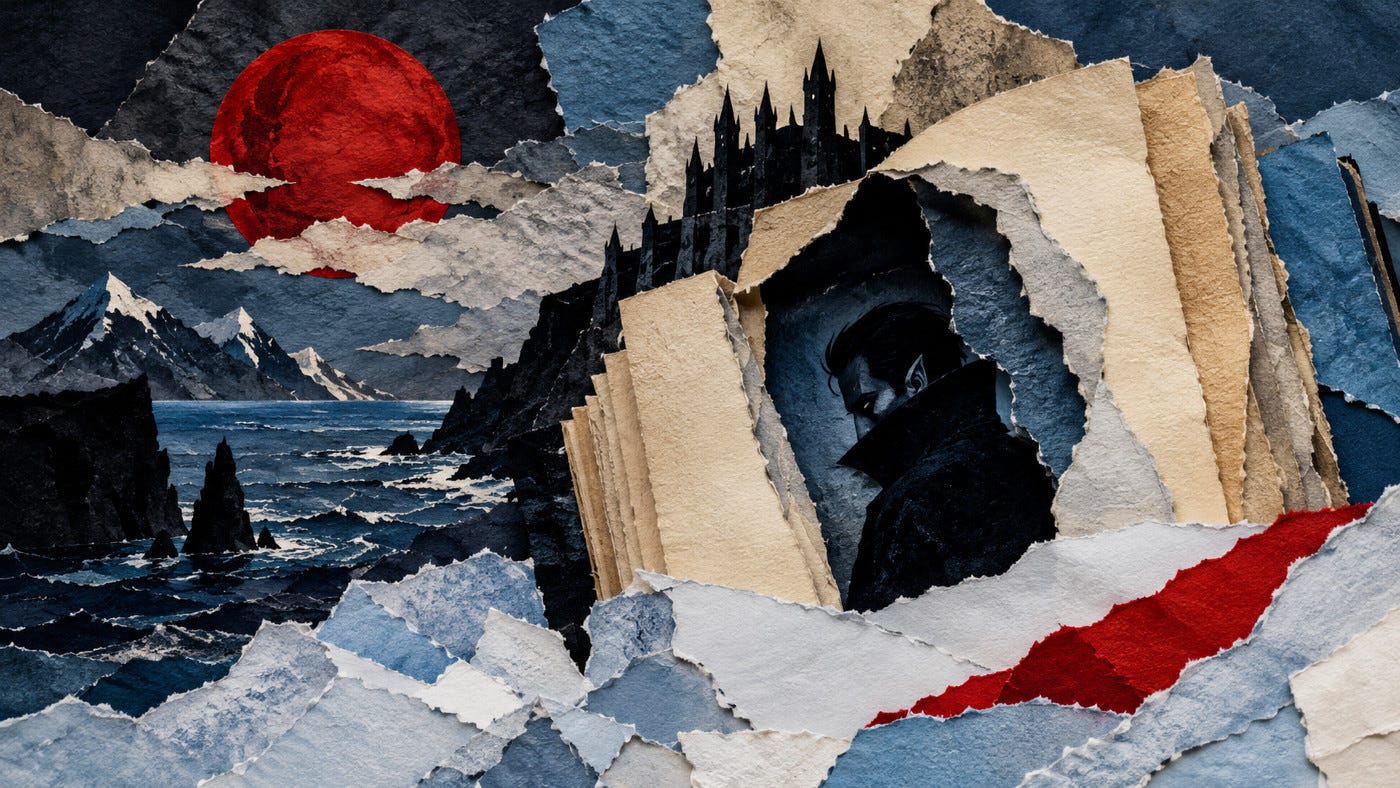
For more than a century, Iceland had its own Dracula. Published in 1901 as a translation of Bram Stoker’s novel, it was only recognised in 2014 by a Dutch scholar as a very different book. It is shorter, with some characters having different names, and it places more emphasis on the characters’ sexuality.
DNA from fossilised poo shows that ancient relatives of ground squirrels had a much broader diet than expected. They ate plants and insects and also scavenged the carcasses of megafauna, including woolly mammoths. The next Ice Age remake should be much more violent!
Box office hit films are four times more likely to star a talking animal than a woman over 60, according to a new study.
A study of 273 employees found that toxic leaders are bad for almost every part of working life. Their subordinates show lower well-being across emotions, engagement, relationships, meaning and accomplishment. Employees under toxic leaders also reported less enjoyment at work and a weaker sense of purpose.
Ancient grape seeds pulled from oxygen-free mud at a hilltop site in Tuscany have given scientists a detailed genetic history of Roman-era wine. Researchers sequenced DNA from 80 seeds found in old wells and found that most belonged to the same grape variety, apparently passed from the Etruscans to the Romans.
“Russians, Ukrainians and Belarusians are seen as groups of people that can be paid less money, equal to Chinese workers, while Germans are quite expensive and prestigious. Even in lower-tier Chinese cities, people will know that a Russian foreigner and a German foreigner will be priced differently, sometimes two to three times as much.”
Traditional work songs help teams keep time together. Research suggests that songs stabilise the rhythm of shared labour and stop individual workers from gradually speeding up without noticing. If I start singing a sea shanty during our next Zoom meeting, know I’m improving team coordination.
What I’ve been reading
Here are 10 ways a super El Niño could impact the planet: “Reduced crop yields and weakened economies often intensify social tensions. The likelihood of civil conflict in affected tropical countries can double during El Niño years. According to one study, about 21% of conflicts since 1950 are linked to such climate patterns.”
The quantum computing revolution is closer than you think: “After years of false dawns, many of the world’s leading tech companies are now betting that quantum computers will start to outperform their conventional counterparts by 2030 — with a potentially huge impact on fields ranging from cryptocurrencies and financial services to drug discovery.”
68 quadrillion underground miles of fungi: “Fungi attach themselves to the roots of plants, sending long, thin filaments out through the soil. Collectively, the filaments contain approximately 300 megatons of carbon, or four to six times as much as the carbon contained by all the human beings on the planet.”
And that’s it for today! Thanks for reading! If you enjoy the newsletter, share it with a friend or ten. And if you really enjoyed it, consider upgrading to a paid subscription: it helps support my work and means a lot.
Elia Kabanov is a science writer covering the past, present and future of technology (@metkere).
Cover art: Elia Kabanov feat. DALL-E.