

Hey folks! I thought I knew what a heron was: a tall bird with a long beak that stands in water and always looks judgemental. Then wildlife specialist Dusty Gedge gave a talk at a Friends of Brookmill Park event I helped organise, and revealed that herons are tool-using, eel-wrestling, rat-dunking urban predators with complicated family arrangements and an appetite for fancy catering.
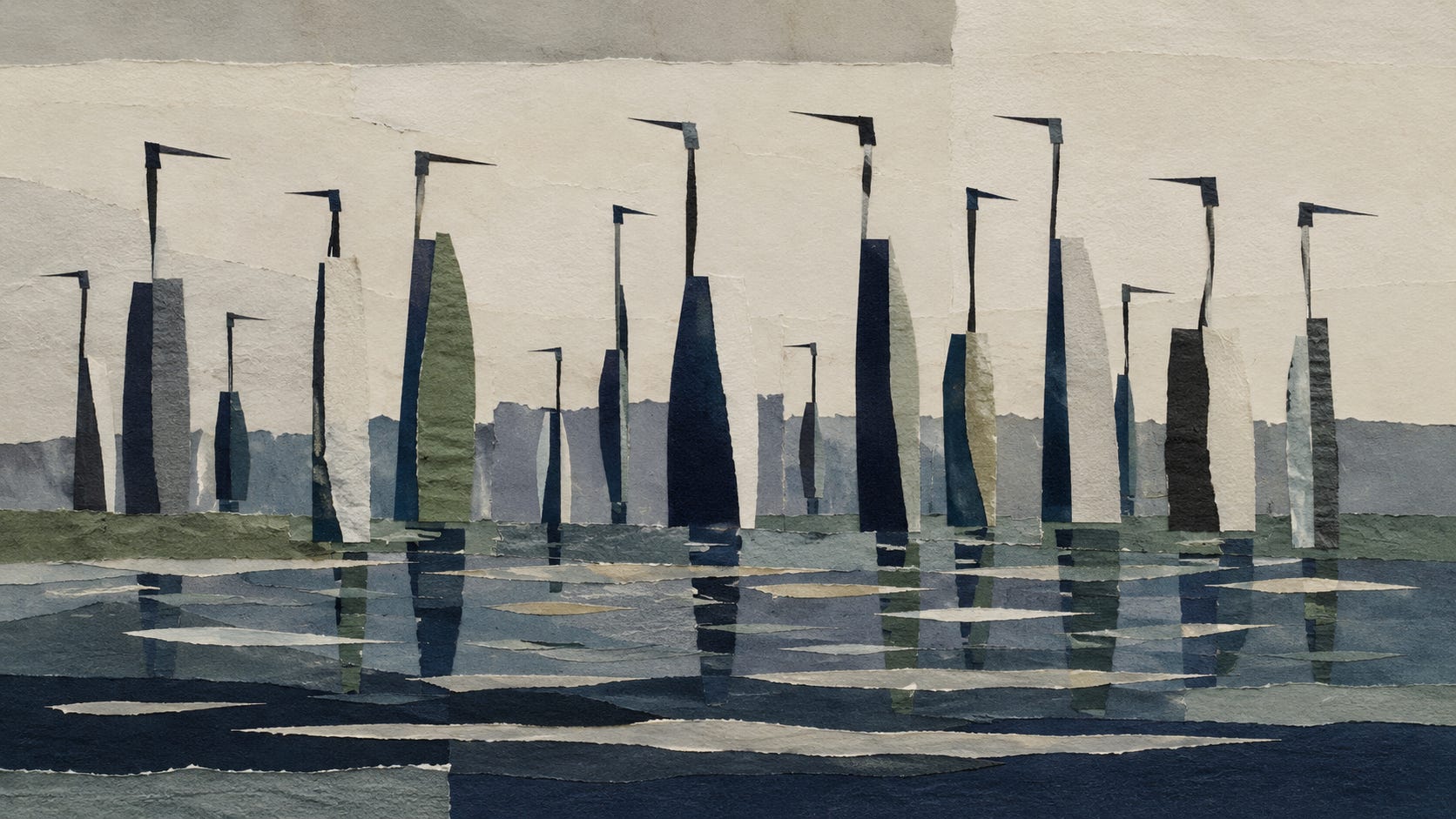
A group of herons can be called a siege. Dusty linked it to the way they hunt: standing still, waiting, stalking, then striking.
Flamingos fly with their necks stretched out. Herons pull their necks back into an S-shape, with the legs trailing behind them, making them easy to recognise in flight.
Some herons use tools, including bait to attract fish. Grey herons in Deptford Creek have been using twigs and even plastic tubes to lure fish out before grabbing them.
Fish is the main course, but grey herons also take amphibians, small mammals and birds. Dusty has watched them take moorhens and coots in Brookmill Park, and says foxes and herons are among the reasons so few Egyptian goose chicks survive on Blackheath.
If a heron eats something furry, it may soak it first. Furry prey like rats is harder to swallow than fish. Grey herons have been observed dipping such prey in water before swallowing it head-first, which seems to make the whole unpleasant business easier.
Grey herons do eat eels, but awkward prey can take effort. Dusty said he has watched herons grab eels in Deptford Creek, only for the eel to wrap itself around the bird’s beak. In one case, “the heron was Goliath, and the eel was David. But Goliath won.” It took 15 minutes.
In Brookmill Park, Dusty described a local woman who feeds chicken legs to foxes and herons. “She doesn’t buy cheapo chicken legs,” he said. “They’re higher welfare M&S chicken legs.” For a bird built to spear fish, this is a fairly specific form of community support.
Heron parenting is shared, but the building work is divided: both parents incubate the eggs and feed the chicks. The nest work is more specialised: the male usually gathers sticks and presents them to the female, who does more of the building. As Dusty puts it, “He fetches, she builds.”
Herons need fish and other prey, so their presence can point to a functioning urban waterway. The cleaner and richer the Ravensbourne gets, the more room there may be for birds that can use it.
You can follow Dusty on YouTube and Instagram for more fascinating insights. Check out other events at the Friends of Brookmill Park website. And since we’re talking birds, I recently made a local bird game, herons included. Play it here.
And that’s it for today! Thanks for reading! If you enjoy the newsletter, share it with a friend or ten. And if you really enjoyed it, consider upgrading to a paid subscription: it helps support my work and means a lot.
Elia Kabanov is a science writer covering the past, present and future of technology (@metkere).
Cover art: Elia Kabanov feat. DALL-E.